
Real Patients • Real Progress • Real Integrative Care
Sometimes our most challenging patients are the ones closest to our hearts.
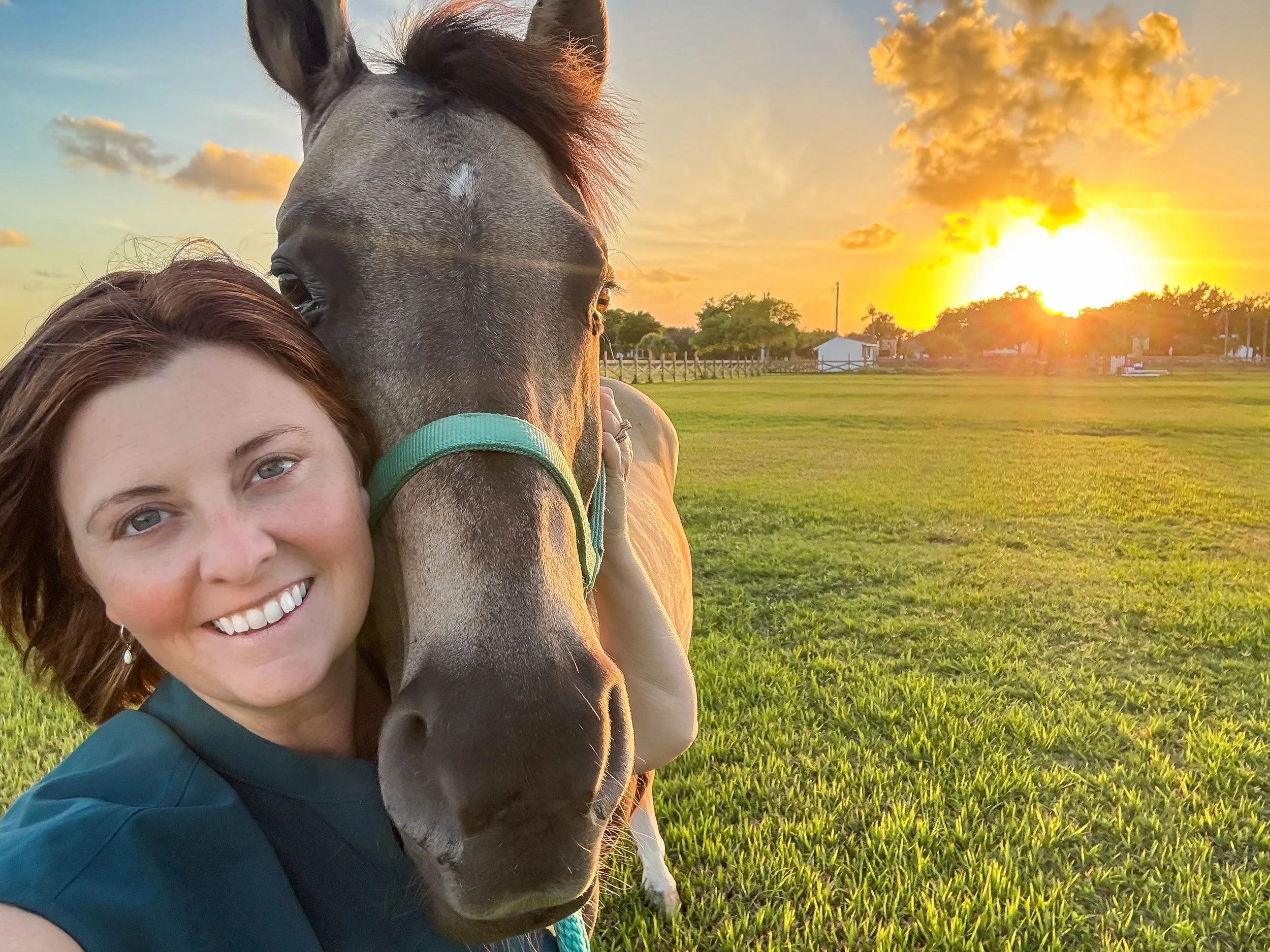
This week's Healing Highlight features my own horse, Denny, a 16-year-old Quarter Horse who has been navigating the challenges of both navicular disease, hind suspensory desmitis and anhidrosis.
Like many horses facing chronic lameness conditions, Denny's treatment plan has required patience, careful management, and an integrative approach focused on improving comfort, supporting healing, and preserving long-term quality of life.
More Than a Riding Horse
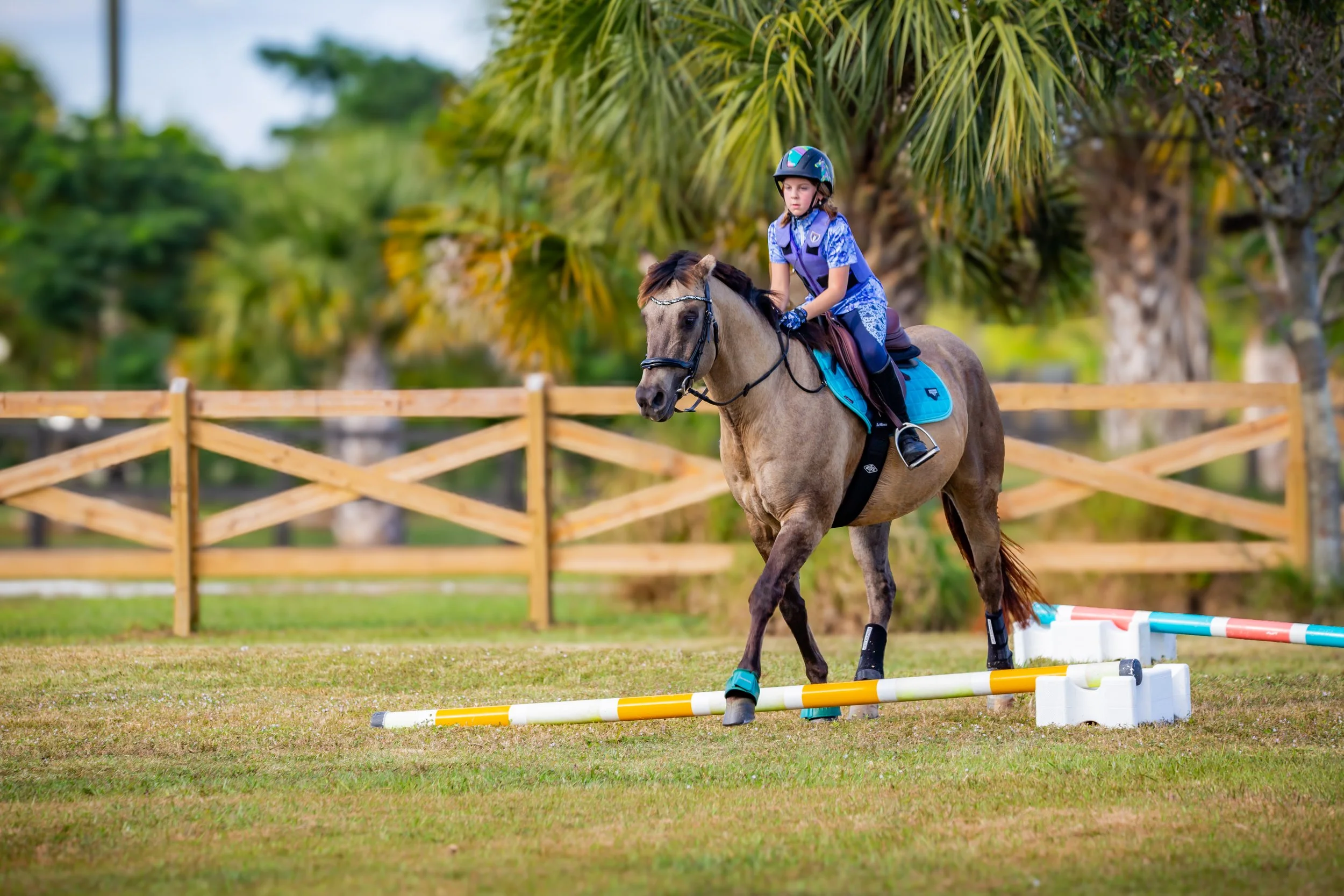
Denny isn't just a riding horse.
For one of our daughters, he is a trusted partner and source of confidence. His steady personality and forgiving nature make him the kind of partner who gives a young rider the confidence to challenge herself, develop her riding skills, and continue to grow her natural athletic ability.
For our other daughter, who has overcome significant medical challenges throughout her life, Denny provides something equally important. Time in the saddle offers opportunities to build strength, balance, coordination, and confidence while experiencing the unique physical and emotional benefits that horses can provide.
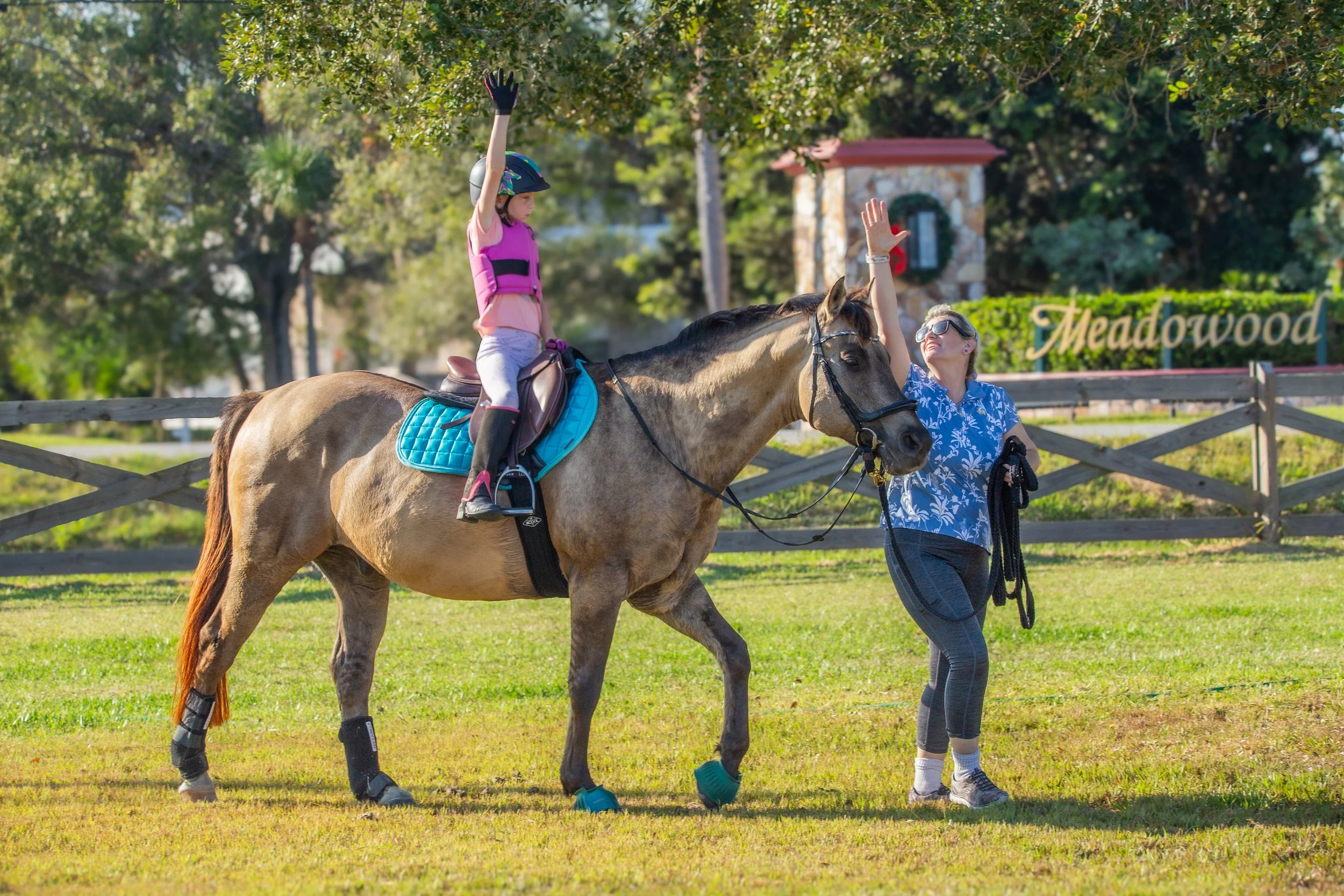
While every horse has a purpose, Denny's purpose has never been measured by ribbons or performance records alone. His greatest contribution has been the role he plays in the lives of the children—and family—who love him.
In the months leading up to our purchase of him, life looked a little different for everyone. Our daughter Sage underwent back surgery and a lengthy recovery, which meant Denny was no longer able to enjoy the regular rides and routine he had come to expect with our family.
As his role changed and his discomfort increased, he seemed to lose some of the spark that had always made him happiest. Like many horses, Denny thrives on having a job to do, a routine he can count on, and people to care for.
When the opportunity arose to purchase him, we knew he would require a higher level of medical management and rehabilitation than many horses his age. But we also knew what he meant to our family and what he continues to give us every day.
Some horses earn their keep in the show ring. Denny earns his by taking care of our family.
The Challenge
Denny began showing signs of progressing lameness that affected both his comfort and ability to work. Diagnostic evaluation revealed a combination of navicular-related pain in the front feet and suspensory ligament desmitis in the hind limbs—two conditions that can significantly impact a horse's movement and performance.
Like many chronic lameness cases, there wasn't a single factor contributing to the problem.
As his discomfort increased, Denny was no longer able to comfortably participate in his regular routine of riding with the kids two to three times each week. Reduced activity, additional winter hay offered during periods of cold weather, and a few extra treats from well-meaning neighbors gradually led to weight gain, placing additional stress on already painful feet, tendons, and ligaments.
As part of his diagnostic workup, we ruled out common endocrine and metabolic contributors, including PPID (Cushing's disease) and insulin dysregulation. We then transitioned him to a balanced ration-based feeding program focused on gradual weight reduction while maintaining proper nutrition.
Looking Through a TCVM Lens
In addition to his orthopedic concerns, Denny also started struggling with anhidrosis last summer, a condition in which horses lose the ability to sweat normally and have difficulty regulating body temperature during Florida's long, hot summers. From a Traditional Chinese Veterinary Medicine (TCVM) perspective, Denny's presentation is consistent with a pattern of Kidney Yin Deficiency. In TCVM, Yin represents the body's cooling, nourishing, and restorative resources. When Yin becomes depleted over time—through age, chronic stress, environmental heat, or prolonged physical demands—the body may struggle to regulate heat, recover efficiently, and maintain balance.
The Integrative Treatment Plan
After identifying the many factors contributing to Denny's discomfort, we developed a comprehensive treatment plan focused on improving comfort, supporting healing, addressing underlying imbalances, and restoring function.
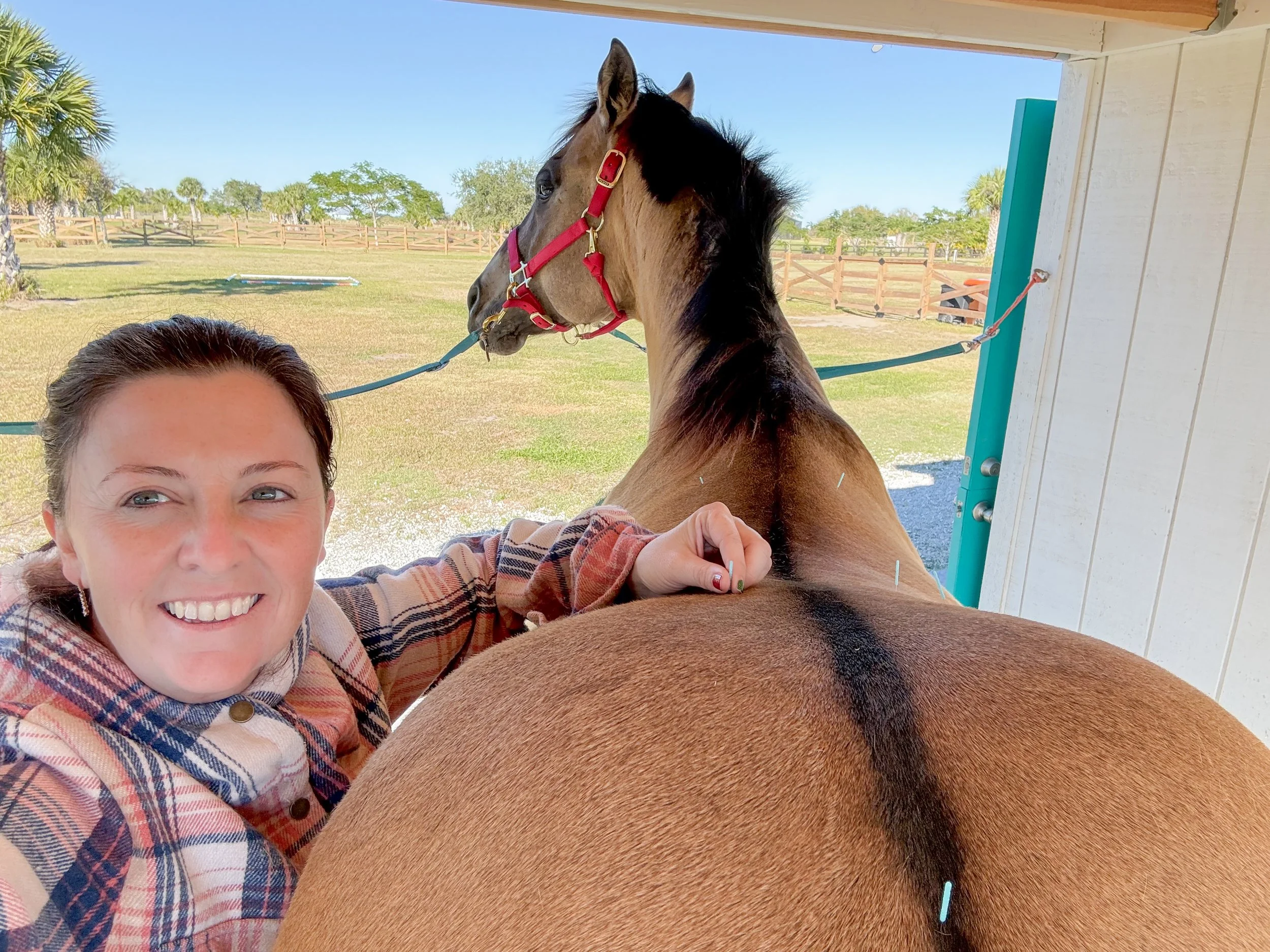
Denny's current care plan includes:
Daily Fibrocox® (firocoxib) for pain and inflammation management
Osphos® therapy for navicular-related pain
Extracorporeal Shockwave Therapy (ESWT) targeting both the navicular region and hind suspensory ligaments
Acupuncture to support pain control, circulation, and whole-body balance
Chinese herbal therapies to support tendon and ligament health while addressing underlying Kidney Yin deficiency patterns
Twice-monthly PEMF (Magna Wave®) treatments
Red light therapy several times a week
Corrective therapeutic shoeing utilizing supportive pads, cushioning materials, and bar shoes on the front feet
Nutritional management and gradual weight reduction
Progressive rehabilitation and carefully controlled exercise
Each component addresses a different piece of the puzzle. Appropriate hoof support helps improve biomechanics and comfort. Weight reduction decreases stress on already compromised structures. Conventional medications help manage pain and inflammation, while shockwave, acupuncture, PEMF, and rehabilitation work together to support healing, mobility, and overall function.
Like many chronic lameness cases, there was no single treatment responsible for improvement. Progress has come from combining multiple therapies into a comprehensive plan tailored specifically to Denny's needs.
Progress So Far
Six weeks after Osphos treatment and following completion of a series of shockwave therapy, Denny has shown encouraging improvement. While he still has work ahead of him, he is moving more comfortably and demonstrating a better willingness to move forward.
Recovery from chronic orthopedic conditions is rarely a straight line. Success is often measured through small victories—a more comfortable stride, improved attitude, increased willingness to move, and a better quality of life.
For Denny, those small victories matter.
Healing Highlights Takeaway
Successful rehabilitation isn't always about returning an athlete to peak performance. Sometimes it's about improving comfort, supporting function, and helping a horse continue doing what they love for as long as possible.
For Denny, success isn't measured by ribbons or performance goals. It's measured by the hope that he can comfortably carry his young riders once again.
To one child, he's a trusted partner who builds confidence and encourages her natural athletic potential. To the other, he's been an important part of a journey toward greater strength, balance, and independence.
His job has never been simply to be ridden. His job has been to take care of family. And our goal is to help him continue doing that for as long as possible. 🐴✨
